Introduction: Demystifying Claim Valuation
One of the most common questions after an accident is: “How much is my personal injury case actually worth?”
Insurance companies often present initial settlement offers using computerized algorithms designed to minimize payouts. However, personal injury valuation under tort law relies on specific categories of loss, documented evidence, and multiplier formulas.
This guide breaks down the categories of damages, explains how pain and suffering are calculated, and details the core variables that shape your final settlement.
1. The Two Main Categories of Compensatory Damages
In personal injury law, financial awards are designed to make the victim “whole again”. Compensatory damages are split into Economic (Special) and Non-Economic (General) damages.
┌────────────────────────────────────────────────────────┐
│             Compensatory Damages Overview              │
└──────────────┬──────────────────────────┬──────────────┘
               │                          │
               ▼                          ▼
    [Economic Damages]         [Non-Economic Damages]
    (Tangible Financial)       (Intangible Human Impact)
               │                          │
  • Emergency ER & Surgery     • Physical Pain & Suffering
  • Future Physical Therapy    • Mental Anguish & Anxiety
  • Lost Wages & Salary        • Loss of Enjoyment of Life
  • Diminished Earning Capacity• Permanent Scarring/Disfigurement
Economic Damages (Hard Costs)
Economic damages cover objective, out-of-pocket financial losses resulting from the injury. They are calculated using medical bills, wage statements, and receipts:
-
Medical Expenses: ER visits, surgeries, hospital stays, prescription drugs, assistive mobility equipment, and ongoing physical therapy.
-
Future Medical Costs: Projected medical interventions, lifelong care needs, or home modifications recommended by life-care planners.
-
Lost Income: Past wages missed while recovering from injuries.
-
Loss of Earning Capacity: Compensation for long-term disability that reduces your ability to earn a living going forward.
Non-Economic Damages (Quality-of-Life Costs)
Non-economic damages address the subjective physical, emotional, and psychological impact of the incident:
-
Physical pain and chronic discomfort.
-
Emotional distress, depression, post-traumatic stress disorder (PTSD), and sleep disruption.
-
Loss of enjoyment of life (inability to engage in hobbies, sports, or family activities).
-
Loss of consortium (damage to marital intimacy and companionship).
2. Calculating Pain and Suffering: The 2 Primary Methods
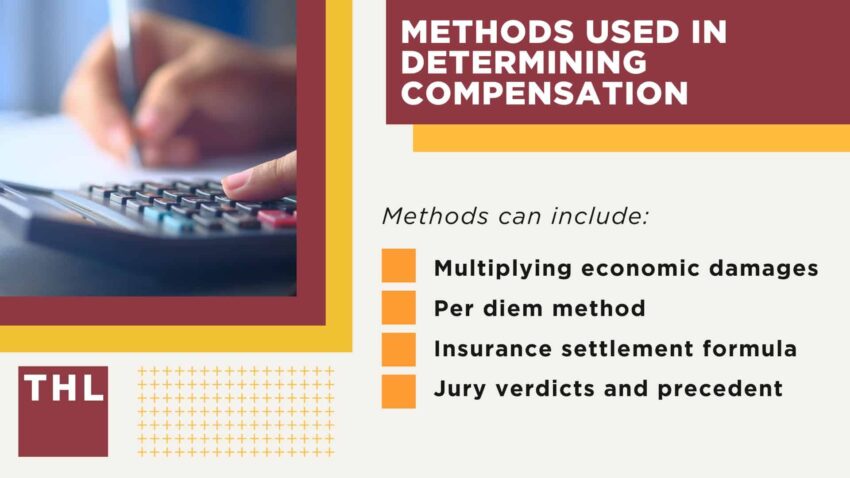
Because non-economic damages lack a direct price tag, insurance companies and attorneys use two primary calculation frameworks to establish baseline values:
Method A: The Multiplier Method
The Multiplier Method is the most widely recognized strategy. You add up all economic damages and multiply that sum by a factor between 1.5 and 5, depending on injury severity.
Multiplier Selection Scale:
• 1.5 - 2.0 ➔ Minor injuries (whiplash, soft tissue, quick recovery)
• 2.5 - 3.5 ➔ Moderate injuries (broken bones, required surgery, long rehab)
• 4.0 - 5.0+ ➔ Severe/Catastrophic injuries (paralysis, severe TBI, loss of limb)
Example Calculation:
-
Total Economic Expenses: $50,000 (Medical bills + lost wages)
-
Assigned Multiplier: 3.0 (Fractured leg requiring surgery and 6 months off work)
-
Pain & Suffering Award: $50,000 × 3.0 = $150,000
-
Total Case Valuation: $50,000 + $150,000 = $200,000
Method B: The Per Diem Method
The Per Diem (“per day”) method assigns a fixed daily monetary rate (often matching one day’s wages for the victim) from the accident date until reaching Maximum Medical Improvement (MMI).
-
Assigned Daily Rate: $200 / day
-
Days in Recovery to Reach MMI: 300 days
-
Total Pain & Suffering Valuation: 300 days × $200 = $60,000
3. Additional Factors Influencing Final Settlement Payouts
While formulas provide a baseline, four external variables strongly influence the final financial settlement:
| Influencing Factor | How It Alters Settlement Value |
| Insurance Policy Limits | Compensation is practically capped by the at-fault party’s policy limits unless personal assets can be targeted. |
| Clear vs. Disputed Fault | Uncontested liability yields higher settlement offers; disputed fault increases risk and lowers initial offers. |
| Egregious Conduct (Punitive Damages) | Cases involving reckless behavior (e.g., drunk driving) may qualify for extra punitive damages. |
| Quality of Legal Representation | Experienced trial lawyers leverage potential courtroom risk to negotiate higher settlements from adjusters. |
Summary Takeaway
Never rely on automated online “settlement calculators”. A personal injury attorney evaluates your medical charts, consults financial experts, and documents non-economic losses to secure a compensation package tailored to your needs.