Introduction: The Intersection of Privacy and Artificial Intelligence
Data privacy and technology compliance have expanded beyond managing customer consent forms. The emergence of enterprise generative AI models, machine-learning algorithms, and automated profiling tools has created an environment where data governance directly influences legal operational risk.
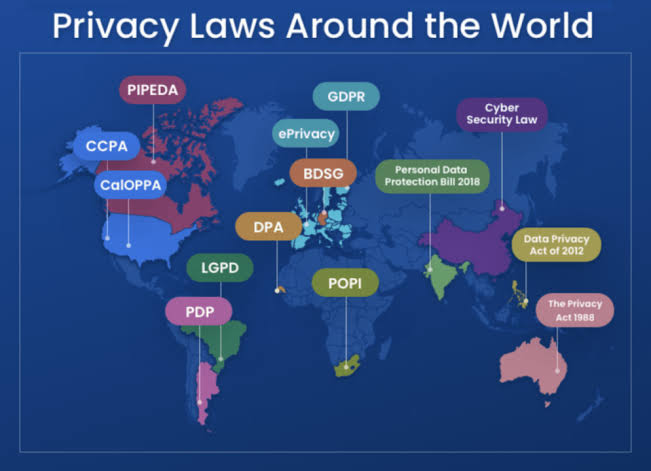
For companies operating across the US, UK, and European Union, data legal strategy must bridge two distinct frameworks: comprehensive privacy mandates like the General Data Protection Regulation (GDPR) and risk-based technology rules like the EU Artificial Intelligence Act.
This article outlines how global businesses can build a compliant technology framework across these key markets.
1. The European Union: From GDPR Enforcement to the EU AI Act
The European Union continues to set global policy for digital governance, pairing strict data privacy enforcement with the world’s first comprehensive AI statute.
┌────────────────────────────────────────────────────────┐
│             EU Dual Technology Regulatory Stack        │
└──────┬──────────────────────────┬──────────────────────┘
       │                          │
       ▼                          ▼
  [EU GDPR Compliance]       [EU Artificial Intelligence Act]
  Data Minimization          Risk-Based Framework
  Purpose Limitation         (Unacceptable, High, Limited,
  Transfer Safeguards         Minimal Risk Models)
Modern GDPR Compliance Imperatives
-
Cross-Border Data Transfers: Transferring personal data from the EU/UK to third countries requires validated legal safeguards—such as Standard Contractual Clauses (SCCs), Binding Corporate Rules (BCRs), or compliance with the EU-US Data Privacy Framework.
-
Automated Decision-Making (Article 22): Data subjects have the legal right not to be subject to decisions based solely on automated processing (including profiling) that produce legal effects.
The EU AI Act Risk Pyramid
The EU AI Act classifies artificial intelligence systems into four distinct risk categories with proportional legal obligations:
             EU AI Act Risk Classification Structure

               ▲  [Unacceptable Risk] ➔ Absolute Ban
              ╱ ╲ (Social scoring, cognitive manipulation)
             ╱   ╲
            ╱     ╲  [High Risk] ➔ Strict Compliance
           ╱       ╲ (HR tools, biometric ID, critical infra)
          ╱         ╲
         ╱           ╲  [Limited / GPAI Risk] ➔ Transparency Rules
        ╱             ╲ (Chatbots, generative AI training disclosures)
       ╱               ╲
      ─────────────────── [Minimal Risk] ➔ Free Use (Video games, spam filters)
2. The United Kingdom: Pragmatic Alignment and Reform
Following its exit from the EU, the UK maintains the UK GDPR and the Data Protection Act 2018. While substantively identical to the EU GDPR in core principles, the UK favors a sector-led, outcome-oriented approach to AI regulation rather than passing a single, horizontal AI statute.
          UK Digital Regulation Architecture

  ┌───────────────────────────┬──────────────────────────────────┐
  │ Legal Mechanism           │ Practical Regulatory Objective   │
  ├───────────────────────────┼──────────────────────────────────┤
  │ UK GDPR / DPA 2018        │ Protect personal data, enforce   │
  │ (ICO Oversight)           │ substantial fines (up to £17.5M).│
  ├───────────────────────────┼──────────────────────────────────┤
  │ Sectoral AI Framework     │ Guidelines issued via ICO, FCA,  │
  │ (Non-Statutory)           │ and CMA targeting AI safety.     │
  └───────────────────────────┴──────────────────────────────────┘
Multinational corporations must maintain dual compliance pathways: adhering to strict EU AI Act technical standards for European products while leveraging UK operational flexibility.
3. United States: The State Law Patchwork and Federal Oversight
In the absence of a single federal privacy law, the US relies on a expanding patchwork of state comprehensive privacy laws alongside federal enforcement by the FTC.
┌────────────────────────────────────────────────────────┐
│             US State Privacy Law Architecture           │
└──────┬──────────────┬──────────────┬───────────┬───────┘
       │              │              │           │
       ▼              ▼              ▼           ▼
  [CCPA / CPRA]    [VCDPA]        [CIPA]     [State AI Laws]
  California       Virginia       Colorado   Algorithmic Profiling
  Opt-Out Rights   Opt-Out Rights Opt-Outs   & Bias Assessments
Core US Compliance Pillars:
-
State Comprehensive Privacy Acts: Led by California (CCPA/CPRA), states including Virginia, Colorado, Connecticut, and Utah grant consumers rights to opt out of targeted advertising, data sales, and automated profiling.
-
FTC Section 5 Enforcement: The FTC penalizes “unfair or deceptive acts or practices,” focusing on unauthorized data sharing, deceptive AI privacy claims (“AI washing”), and inadequate algorithm security safeguards.
-
State AI and Biometric Governance: Statutes like Illinois’s Biometric Information Privacy Act (BIPA) and employment AI bias laws in California and New York mandate privacy impact assessments before deploying AI tools in hiring.
4. Multi-Regional Privacy and AI Comparison
| Regulatory Feature | United States | United Kingdom | European Union |
| Primary Privacy Law | Patchwork of state laws (CCPA, VCDPA) | UK GDPR / Data Protection Act 2018 | EU GDPR |
| Max Financial Penalty | Varies by state ($7,500/violation) or FTC actions | £17.5M or 4% of global turnover | €20M or 4% of global annual turnover |
| AI Regulatory Model | Sector-specific guidelines & state laws | Sectoral regulator guidance (ICO, FCA) | Comprehensive horizontal statute (EU AI Act) |
| Max AI Act Fine | N/A | Sectoral civil enforcement | Up to €35M or 7% of global turnover |
5. Enterprise Tech Compliance Blueprint
-
Maintain an Algorithmic Data Inventory: Map the lifecycle of personal data fed into LLMs or business analytics software. Document training datasets, data sources, and consent parameters.
-
Execute Joint DPIAs and FRIA Assessments: Combine Data Protection Impact Assessments (DPIAs) under GDPR with Fundamental Rights Impact Assessments (FRIAs) under the EU AI Act before deploying high-risk AI platforms.
-
Implement AI Governance Contracts: Update vendor management contracts to require AI software providers to warrant compliance with EU AI Act technical documentation requirements and grant indemnification against automated bias claims.