Introduction: The Rising Cost of Legal Liability
In an increasingly litigious environment, a single customer accident, defective product, or workplace injury can lead to costly legal claims. Legal defense fees, medical expenses, and court judgments can quickly cripple an unprotected company.
Commercial liability insurance protects your business by handling legal defense costs and paying compensation claims when your enterprise is held legally responsible for third-party injuries or property damage. This guide breaks down the three core pillars of commercial liability: Public Liability, Product Liability, and Employers’ Liability.
1. Public Liability Insurance (PL)
What Is It?
Public Liability insurance protects your business if a member of the public—such as a client, vendor, visitor, or pedestrian—suffers a personal injury or property damage because of your business activities.
Public Liability Claims Triggers:
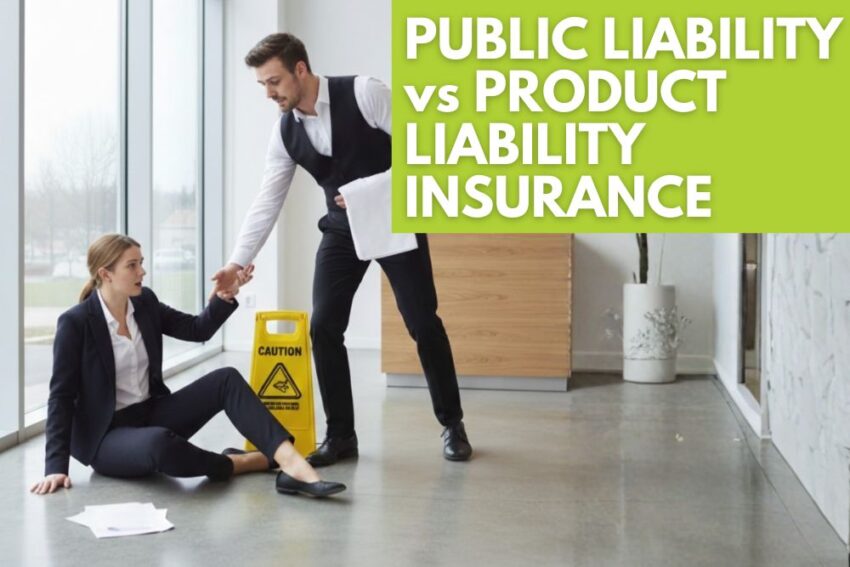
• Slip, Trip, or Fall: A customer slips on a wet floor in your retail shop.
• Property Damage: A contractor drops a tool and damages a client's hardwood floor.
• On-Site Injury: A heavy display panel falls and injures a visiting supplier.
Key Coverage Components
-
Legal defense fees and court costs (regardless of whether the claim is valid or fraudulent).
-
Awarded financial compensation payouts for medical costs, lost earnings, and pain and suffering.
-
Repairs or replacement costs for damaged third-party property.
2. Product Liability Insurance
What Is It?
If your business manufactures, imports, redistributes, alters, or sells physical products, you can be held legally responsible if a defective product causes bodily injury or property damage to a consumer.
Even if you did not manufacture the item yourself, bringing non-compliant goods into your domestic market makes your business liable under consumer protection laws.
| Scenario | Risk Driver | Product Liability Solution |
| Electronics Retailer | A faulty charger overheats and causes a residential home fire. | Pays for third-party property damage and legal defense fees. |
| Food & Beverage Producer | Unlabeled allergens cause a severe allergic reaction in a customer. | Covers medical expenses, legal representation, and settlement payouts. |
| Industrial Component Supplier | A defective bolt fails, causing a commercial machine to collapse. | Pays for consequential third-party physical damage. |
Note: Product liability insurance covers the consequential damage caused by a defective product. It does not pay to recall or replace the defective product line itself—that requires specialized Product Recall Insurance.
3. Employers’ Liability Insurance (EL)
What Is It?
Employers’ Liability insurance covers businesses if an employee suffers a work-related injury or illness during their employment.
┌────────────────────────────────────────────────────────┐
│             Employers' Liability Framework             │
└──────────────┬──────────────────────────┬──────────────┘
               │                          │
               ▼                          ▼
      [Mandatory Status]           [Coverage Scope]
               │                          │
  • Legally required in the UK   • Covers full-time, part-time,
    for businesses with staff      contractors, and interns
  • Minimum £5 Million limit     • Pays injury claims & long-term
    (£10m standard)           occupational illness
The Legal Requirement
In the UK, Employers’ Liability insurance is mandatory under the Employers’ Liability (Compulsory Insurance) Act for almost all businesses employing staff. Failing to hold valid coverage can result in fines of up to £2,500 per day per uninsured day.
Who Counts as an Employee?
The legal definition of an employee for insurance purposes is broad:
-
Full-time and part-time salaried staff
-
Temporary workers, seasonal staff, and agency laborers
-
Apprentices, trainees, and unpaid interns
-
Subcontractors working directly under your operational direction
4. How Much Liability Coverage Do You Need?
Choosing liability limits depends on contract sizes, operational risks, and regulatory requirements:
-
Public Liability: Standard limits typically range from $1 Million to $10 Million (£1m to £5m in the UK). Enterprise contracts or municipal bids often specify a minimum $5 million public liability requirement before allowing contractors on site.
-
Employers’ Liability: The UK statutory minimum limit is £5 Million, though most standard market policies automatically provide £10 Million in cover.
Summary Action Steps
-
Display your official Employers’ Liability certificate where staff can easily view it (or store it accessibly in a digital staff portal).
-
Maintain thorough health and safety logs, risk assessments, and incident response records to defend against frivolous claims.
-
Ensure all third-party contractors working on your premises carry their own valid Public Liability insurance before work begins.